The Royal Commission for Riyadh City (RCRC) has approved the designation of sites surrounding public transport stations within a radius of 800 meters as “areas for public transport-oriented development” subject to special regulations, controls, requirements, and incentives for development, to increase the number of users of the public transport system and enhance its efficiency, achieving integration between the transport and land use systems, and creating vibrant communities and integrated and sustainable urban centers around the train and bus stations.

An Attractive Human Urban Environment
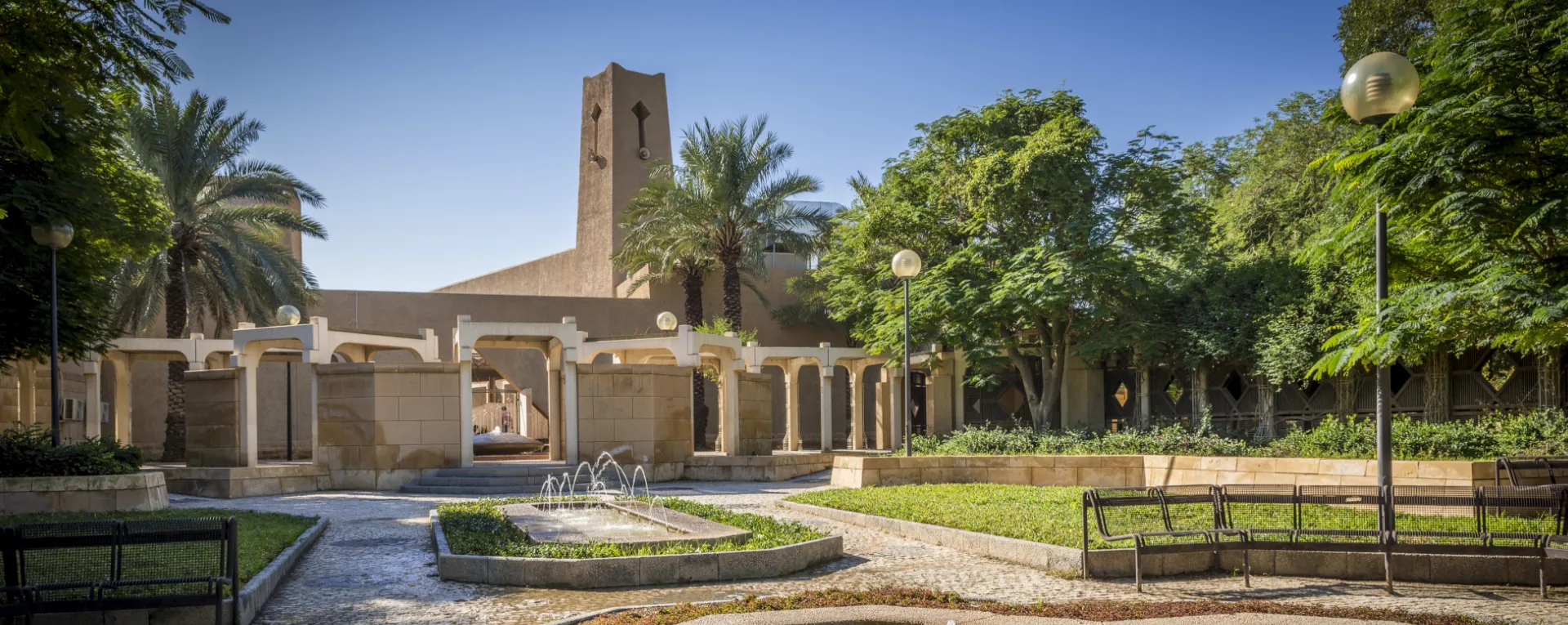
Public Transportation Oriented Development Project includes the creation of high-density and multi-use development centers (residential, office, commercial, service, recreational), around train and bus stations, characterized by being an attractive human urban environment, enhancing the quality of public spaces, and having pedestrian paths to improve access to public transport stations, aesthetic elements and works of art and heritage that give a distinctive aesthetic character in their different styles.
While contributing to achieving economic sustainability, increasing job and employment opportunities, finding new opportunities for investment and real estate development, and benefiting from the assets located in the sites adjacent to stations and public transport axes, to raise the level of quality of life in the city, and maximize its returns from the public transport project.

Study of Global Applied Models
The Royal Commission for Riyadh City has prepared a comprehensive study on the planning and investment aspects of the development of public Transportation, which included a review of models and practices applied in many cities, including London, Los Angeles, San Francisco, Portland, Tokyo, Dubai, Paris, Sydney, Seoul, Singapore, and Vancouver, and accordingly developed a strategic vision for the development and investment of land surrounding public transport station, It included directions and guidelines for urban design and planning for the development of these areas, identifying incentives that will be available to investors, and mechanisms for entering into public-private partnerships in development.
The Oriented Development Vision and Objectives
The vision of the Oriented Development is based on making the city of Riyadh more connected, attractive and prosperous, by achieving the following axes:
- Directing project development of the lands surrounding public transport stations to achieve sustainability in future projects.
- Contribute to increasing urban density and economic development in these areas and provide attractive habitable environments in their surroundings.
- Increase the number of public transport users by increasing the density around stations and thus enhance the efficiency of the public transport system.
- Stimulating the existence of an advanced urban environment by developing the areas surrounding the stations as areas that depend on public transport and have all means of living, working, and practicing activities without relying on private vehicles within an attractive pedestrian environment, which enhances the quality of life in these areas.
- Enhancing the city’s economic returns by generating returns from development and investment projects in the areas surrounding the stations.
3 levels of Development Depending on the Distance from Stations
The study included the identification of a set of guidelines for urban design and planning in the areas surrounding public transport stations, within a radius of 800 meters, and its center is public transport stations, and the diversity of uses in these areas varies, according to the distance from the station, and is divided into three zones:
- The first zone: It embraces the public transport station (200 meters / 3 minutes walk from the public transport station) with high urban density, to be the main attraction to increase the percentages of uses allocated to shops, offices, and recreational uses.
- The second zone: It is (400 meters / 5 minutes walk from the public transport station), where the density is medium, and the percentages of uses allocated to offices and residential units are more than other uses.
- The third zone: It is (800 meters / 10 minutes walk from the public transport station) and is of a lower density, and most of the uses are allocated to residential units to ensure privacy and hierarchy of densities.
Based on the distribution of these zones, the study identified several incentives for developers and investors in the areas surrounding all stations within the special building system of these areas, which allows for increases in heights and coverage as well as diversity in use.

6 Categories of Areas Based on their Location in the City
The study classified the areas surrounding the stations according to their location in the city, and the nature of the area in which the station is located, where the current uses, existing buildings, and the mechanism for dealing with them were taken into account in each classification, and these classifications are distributed according to the following:
- Downtown area
- Central area (commercial strip)
- Activities centers (shopping and entertainment centers)
- Main attractions centers (universities, government entities, employment centers)
- Areas of transport facilities and basic services (airports, railways, and service facilities)
- District Centers
Promising Opportunities for the Private Sector
King Abdulaziz Public Transportation Project in Riyadh contributes to achieving the directions of Saudi Vision 2030 through the project’s role in developing the city’s economic structure, unleashing its potential and competitiveness, and improving its investment environment and climate, as well as the project’s role in achieving one of the most important elements of the vision by classifying three Saudi cities among the top 100 cities in the world as public Transportation is one of the most important requirements for raising the classification of Riyadh. The public Transportation project will result in promising opportunities for development and investment in the real estate sector, combining high economic feasibility, contributing to improving the level of the built environment of the areas surrounding the stations, increasing the percentage of densities in them, and creating investment opportunities and new revenues for the city.
Since the start of the project, the city’s real estate sector has started developing a range of public Transportation-oriented developments in several locations, reflecting the desire of landowners to take advantage of the advantages of land located near stations or adjacent areas. According to a study prepared by the commission, the percentage of undeveloped land in the areas surrounding public Transportation stations in the city constitutes a large percentage of the total areas of these areas, and if developed, major urban, social and economic transformations will occur in these areas in particular, and the city in general, and will constitute opportunities to launch promising investment partnerships between the public and private sectors to develop them.
For more information on the controls, requirements, and incentives for the development of public transportation, you can download this guide, and if you have any additional questions or inquiries in this regard, you can contact the concerned department directly via this e-mail.
