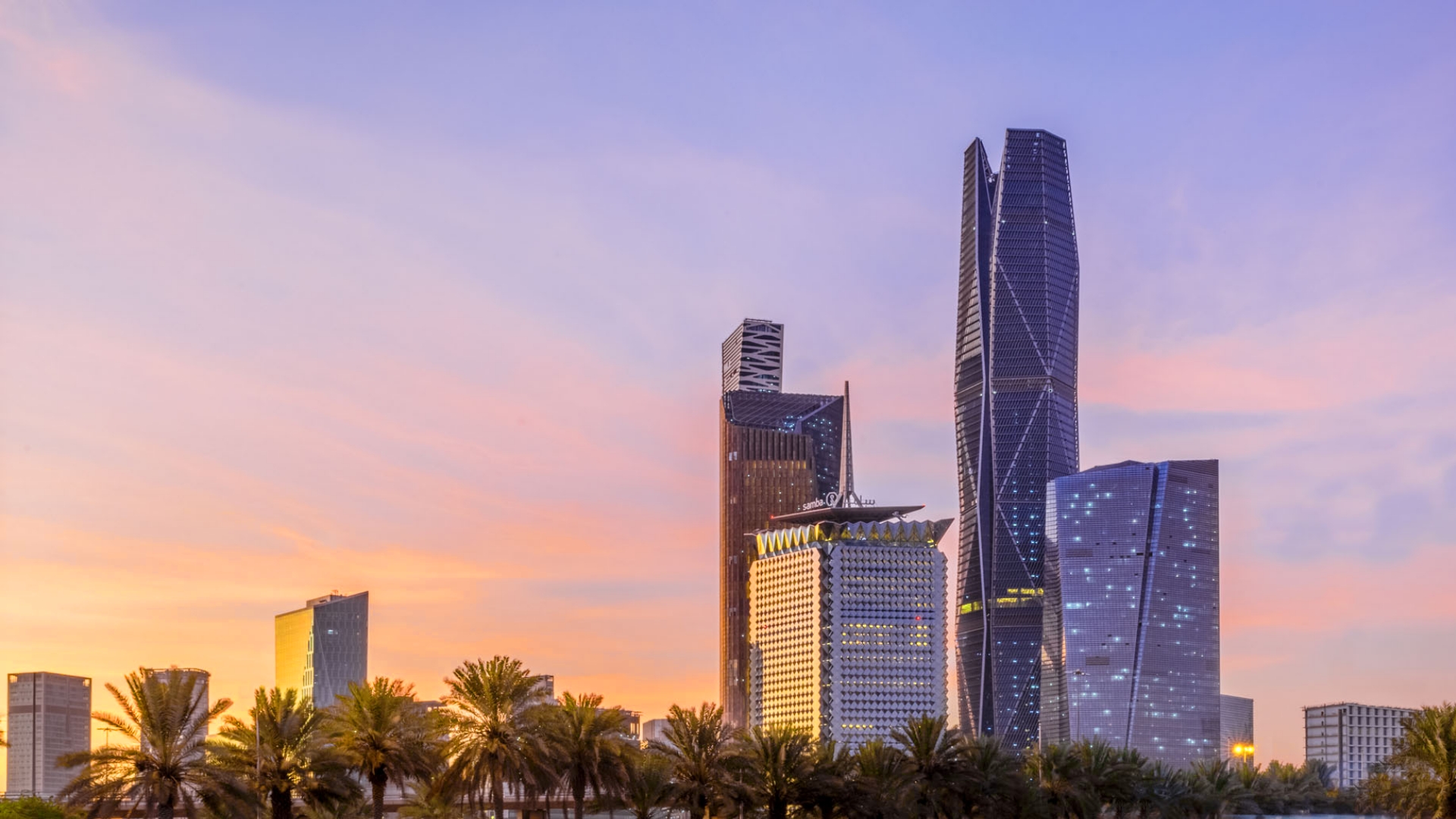
The development project of Al-Doho Quater, on which the Royal Commission for Riyadh City is based, aims to preserve the district, and preserve its landmarks, and cultural and architectural heritage to be a symbol of the city’s history for young and future generations, and a vital urban center for the capital, and a qualitative addition to the tourist sites full of activities and services.
Historical Significance
Al-Doho Quarter is located in the center of Riyadh and is about 200 years old, as it is considered one of the last remaining old heritage districts within the walls of the old city of Riyadh, and the district reflects its existing composition the urban style prevailing in the city at the time and is characterized by its location within the area that was the center of political, social and economic activities in the city.
Comprehensive Development Program
The rehabilitation project of the Al-Doho Quarter, within the Al-Hukum Palace area, is located on a total area of 44,000 square meters, where it is bordered to the north by Al-Thumairy Street, to the south by Madinah Road, to the east by King Faisal Street, and to the west by Sheikh Mohammed bin Ibrahim al-Sheik Street.
The district is a living model for the development and rehabilitation of old districts in cities, and the project included the development of the building system in the district, the construction of new infrastructure, and the paving of streets, pedestrian walkways, and public squares. Economically, the district contains various investment facilities that makeup approximately 40% of the project.
Within the project, some of the buildings of the neighborhood were reconstructed, demolished, or structurally unfit buildings, while maintaining the size, composition, and installation of each building, the use of traditional materials in the reconstruction and restoration work, and preparing these buildings functionally to provide different new services to the area, in addition to modifying the facades of the existing modern buildings in the neighborhood to be in line with the spirit of the area, and the traditional method of construction in it.
The project also included the restoration of mosques located within the boundaries of the neighborhood, according to the heritage style they were in before the restoration, as well as the restoration of a group of mud buildings to rehabilitate and prepare them functionally to allow them to be used as tourist lodges.
The project also included the rehabilitation and restoration of heritage buildings in the neighborhood and preparing them for reuse, in addition to the construction of new buildings in the traditional construction method to ensure the integration of the elements of the project, which were distributed as follows:
- Two mosques
- Heritage museum
- Visitors center
- 3 Cultural exhibitions
- Lounge for the elderly (Diwaniya)
- Heritage lodges with more than 40 residential units
- 1 Heritage restaurant with an area of about 1200 m2
- 7 cafes
- About 200 shops
- Women’s market (Souk)
- A center for traditional crafts with an area of up to 500 m2
- Parking
- Open squares and footpaths
- Restrooms
- Paving, lights, agriculture, navigation system, and service networks.

